
A home should do more than reflect your personal style. It should support your lifestyle, adapt to your changing needs, and provide lasting comfort for the years ahead.
Whether you’re building your dream home or renovating an existing property, thoughtful design choices can help create a space that remains functional, welcoming, and beautiful through every stage of life.
What Makes a Home Future-Ready?
A future-ready home is designed with flexibility in mind. It considers how your household may change over time, from growing families and busy routines to retirement and evolving mobility needs.
Rather than focusing solely on current requirements, future-ready design prioritises comfort, accessibility, and practical features that can continue to serve you in the long term.
This approach allows homeowners to make considered decisions today while reducing the need for major modifications in the future.
5 Ways to Create a Home for Every Stage of Life
- Prioritise Timeless Design
Interior trends come and go, but a well-designed home should remain appealing for years.
Consider neutral colour palettes, quality materials, natural lighting, and versatile finishes that can adapt to changing tastes. Timeless design also allows you to update furnishings and decorative details without undertaking a complete renovation.
The result is a home that feels sophisticated while remaining personal and welcoming.
- Make Everyday Living More Convenient
The best home features are often the ones that make daily routines easier.
Thoughtful storage, well-planned kitchens, practical laundry spaces, and clear pathways can improve how you move through your home. Open layouts may also help create a greater sense of space and make shared areas more comfortable.
Consider how your household uses each room and identify opportunities to make everyday activities more convenient.
- Plan for Accessibility from the Beginning
Accessibility is an important consideration in long-term home design. Features such as wider doorways, step-free entrances, accessible bathrooms, and carefully positioned fixtures can help make a property more comfortable for people with different mobility needs.
Planning these features during the design or renovation stage may also provide greater flexibility for future modifications.
For multi-storey homes, it is worth considering how residents will access each level as their needs change.
- Consider a Residential Lift
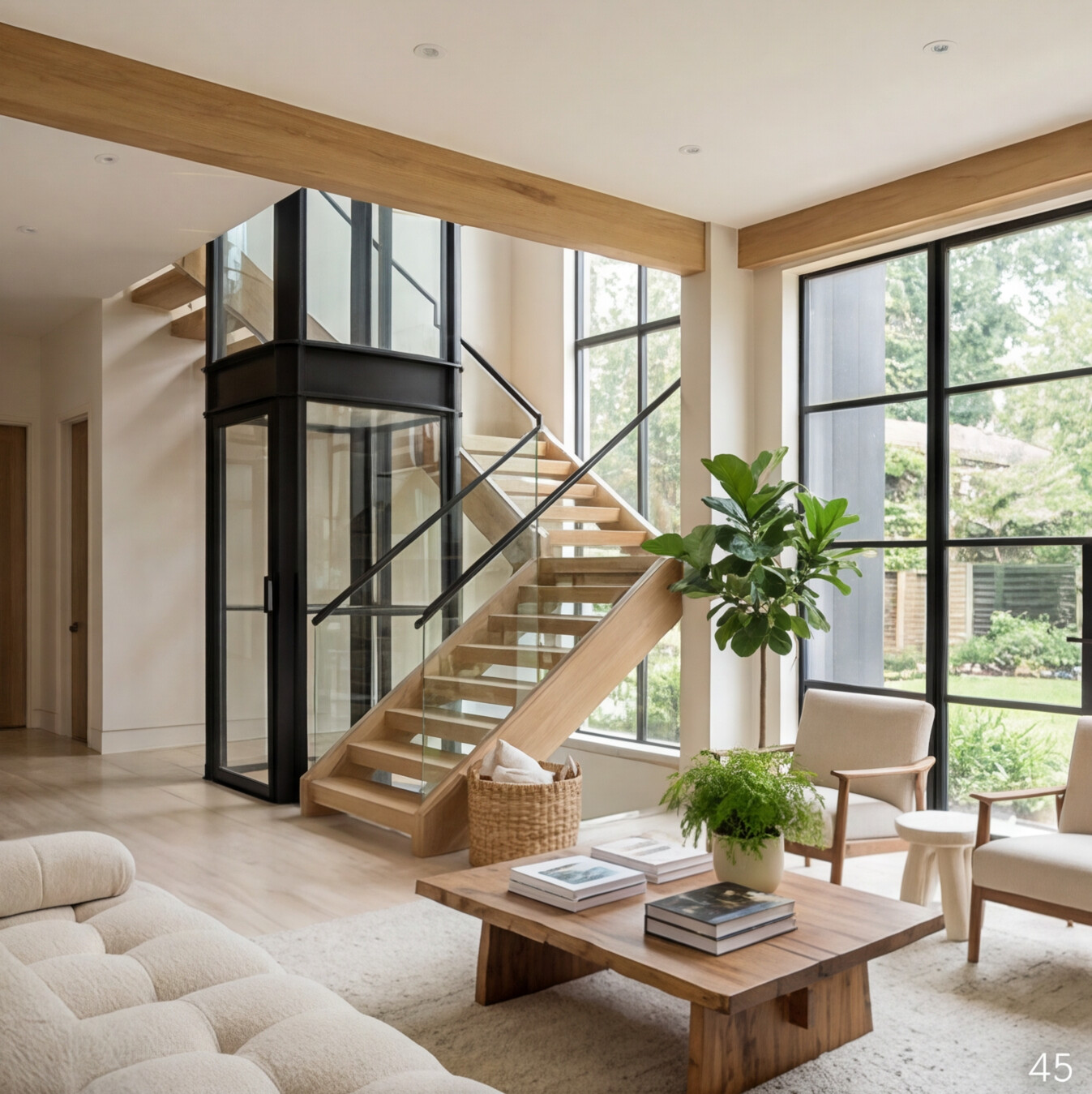
A residential lift can be a valuable addition to a multi-storey home, combining everyday convenience with long-term accessibility.
It provides an alternative to stairs and can help residents move between floors more comfortably. It may also make carrying groceries, laundry, and other household items between levels easier.
Modern residential lifts are available in a range of designs, allowing homeowners to consider both practical requirements and the overall appearance of their interiors.
When planning a lift, consider the available installation space, number of floors, cabin dimensions, entry requirements, safety features, and ongoing maintenance.
Including a lift in your initial building plans may simplify integration. Retrofitting may also be possible, depending on the property’s structure and layout.
- Invest in Comfort and Quality
A forever home should be comfortable to live in, not simply attractive to look at.
Quality materials, effective insulation, good ventilation, appropriate lighting, and well-considered room layouts can contribute to a more enjoyable living environment.
It is also worth evaluating the long-term practicality of major home features. Understanding maintenance requirements, warranties, and operating costs can help you make informed decisions about your investment.
Balancing Luxury with Practical Living
Luxury and functionality are not mutually exclusive. In fact, the most successful home designs often combine both.
A beautifully integrated residential lift, for example, can complement contemporary architecture while serving a practical purpose. Carefully selected finishes, glass elements, and considered placement can help it become a natural part of the home’s interior.
The same principle applies throughout the property. Accessible bathrooms can feature refined materials, while wider circulation spaces and thoughtful lighting can enhance both comfort and visual appeal.
The goal is to create a home where practical features feel intentional rather than added as an afterthought.
Is It Worth Planning for the Future Now?
Planning ahead can provide more options when building or renovating. Even if certain features are not immediately necessary, considering their potential inclusion may help avoid more complex changes later.
For example, homeowners may choose to assess whether space can be allocated for a future lift, whether bathroom layouts can accommodate changing needs, or whether entrances can be designed with fewer barriers.
Every property is different, so the right approach will depend on your budget, architectural plans, household requirements, and long-term priorities.
Create a Home That Grows with You
A forever home is not defined by its size or price. It is defined by how well it supports the people who live in it.
By combining timeless design, everyday convenience, accessibility, and long-term planning, you can create a home that remains comfortable and functional as life changes.
At Australia Lift, we believe residential lift solutions can play an important role in creating more accessible and convenient multi-storey homes.